
Discover Liquid Chemical Sterilization
Zero uncertainty. Zero doubt.
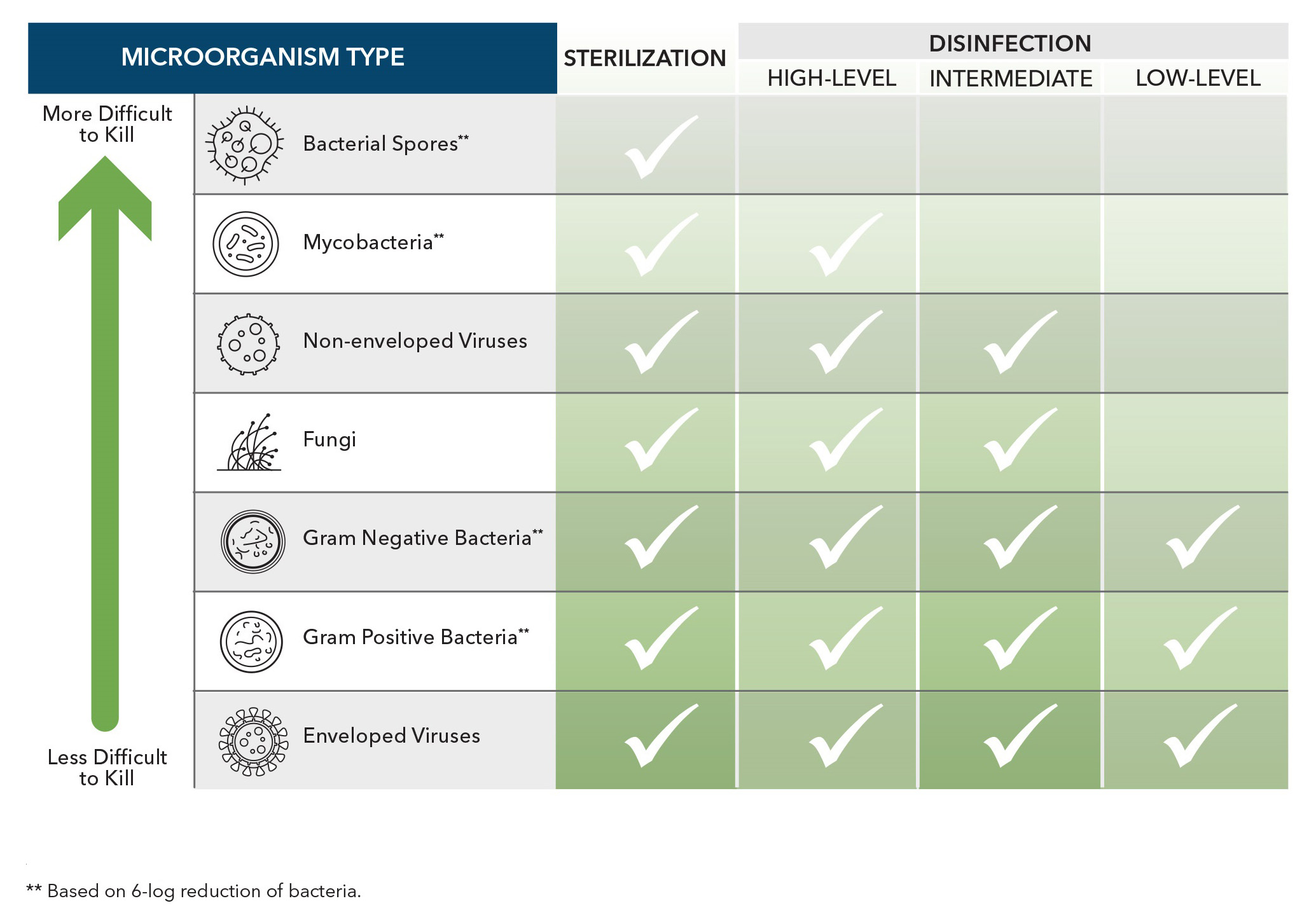
Liquid Chemical Sterilization leaves nothing behind, eliminating microorganisms on flexible endoscopes. While high-level disinfection reduces microorganisms, Liquid Chemical Sterilization eliminates them.
How Does Liquid Chemical Sterilization Work?
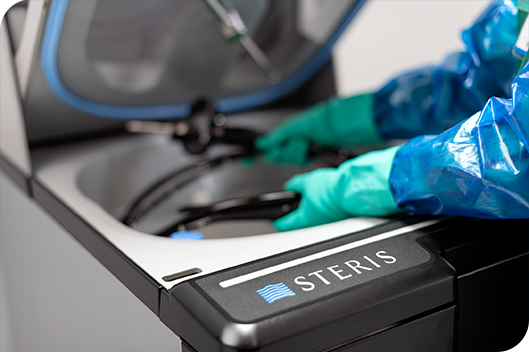
Liquid chemical sterilization (LCS) is used to provide liquid chemical sterilization to endoscopes, such as duodenoscopes, bronchoscopes, and other high-risk devices. When an endoscope is liquid chemically sterilized, it is immersed in sterilant use dilution for a prescribed period of time at a controlled temperature and concentration. Validation of efficacy requires demonstration of at least a 6-log reduction of the most resistant organisms: bacterial spores. Steam sterilization is not an option for endoscopes, and vaporized hydrogen peroxide can have material compatibility issues. This makes liquid chemical sterilization the optimal method to reprocess flexible endoscopes.
Why Choose Liquid Chemical Sterilization for Endoscopes?
Liquid Chemical Sterilization is intended to eliminate all viable microbial life, including bacterial spores, supporting infection prevention best practices. Bacterial spores are the source of many hospital acquired infections including C-Diff.
Discover Liquid Chemical Sterilization
Zero uncertainty. Zero doubt.
- Higher Level of Assurance
Liquid Chemical Sterilization provides a higher level of microbial kill assurance compared to high-level disinfection and is effective at destroying tough microorganisms, including bacterial spores - Expansive Compatibility with Endoscope Materials and Most Major Manufacturers
Liquid Chemical Sterilization is safe for use on fragile devices such as endoscopes, offering high material compatibility - Rapid Turnaround Time
Liquid chemical sterilization systems offer rapid cycle times, which can increase throughput in busy endoscopy departments